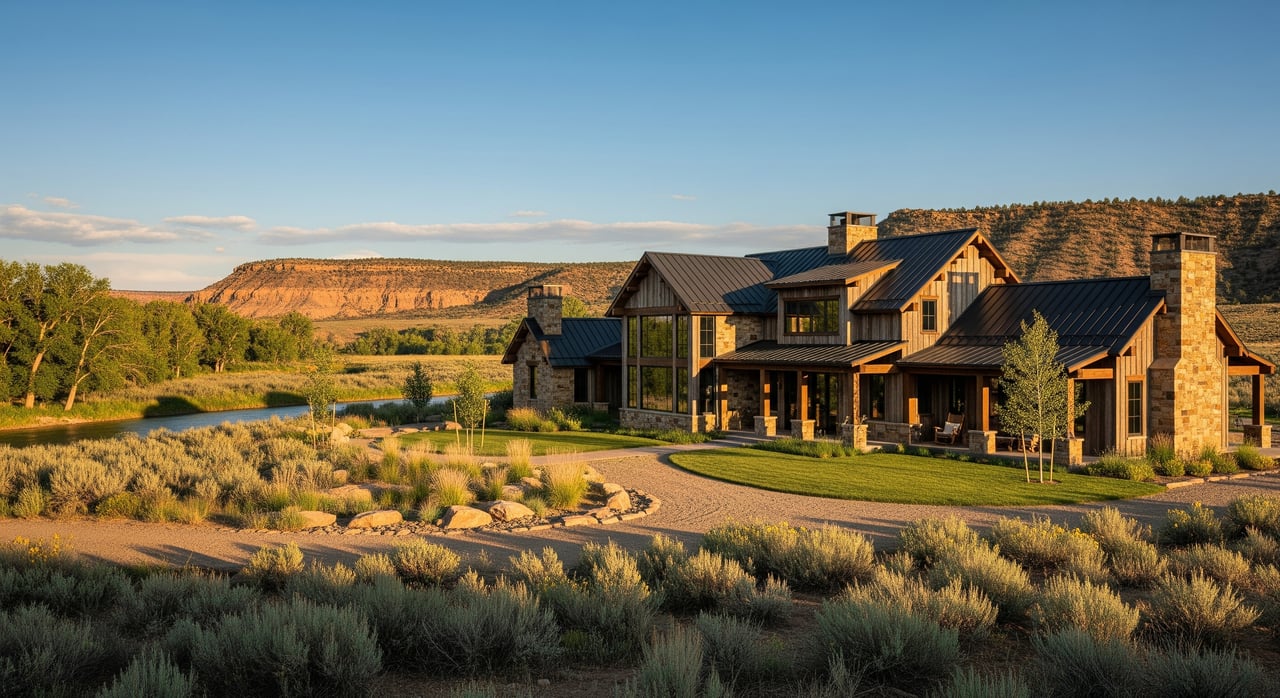
Buying a home or acreage in Mancos 81328 comes with a lot of moving parts, and title insurance is one that raises quick questions. If you are new to Colorado or buying rural property, you want to know what title actually protects, what it does not, and how to avoid surprises. This guide breaks down owner vs. lender coverage, rural risks unique to Southwest Colorado, endorsements worth considering, and the steps to take before closing. Let’s dive in.
What title insurance is in Colorado
Title insurance is a one-time premium you pay at closing to protect against covered defects in the property’s title that existed before you bought it. Unlike other insurance, it looks backward at prior events, not future risks. Your title company first completes a title search and issues a title commitment, then issues your policy after closing and recording.
An owner’s policy protects your ownership interest for as long as you or your heirs hold title. A lender’s policy protects the lender’s mortgage lien up to the outstanding loan amount. In Colorado, title companies commonly handle escrow and closings, and attorneys are not required for typical residential deals.
Owner and lender policies compared
Understanding the difference helps you choose the protection you need.
- Owner’s policy: Protects your equity and ownership rights. Coverage lasts as long as you own the property, including certain heirs.
- Lender’s policy: Required by most lenders. Protects only the lender’s lien and declines as you pay down the loan.
- Cost: Each policy has a separate one-time premium at closing. Rates follow filings monitored by the state insurance regulator. Ask your title company for a current quote.
- Requirement: The owner’s policy is optional, but strongly recommended. The lender’s policy does not protect you as the buyer.
Common covered risks include forged signatures, recording errors, undisclosed liens that later surface, or missing heirs. Common exclusions include matters listed as exceptions on your title commitment, zoning compliance, and many off-record rights unless specifically endorsed.
Mancos rural risks to check
Rural properties near Mancos often carry unique title issues that you should review early:
- Access: Some parcels rely on easements, private roads, or driveway permissions. If legal vehicular access to a public road is unclear, it can cause disputes later.
- Road maintenance: Private road agreements or assessments can apply. Confirm who maintains and pays for the road you use.
- Water rights and wells: Colorado follows prior appropriation, and water rights can be severed from the land. Title can show recorded rights, but it will not resolve use or priority issues.
- Minerals: Mineral estates are frequently reserved or split. A recorded reservation can limit certain surface rights and create potential claims.
- Easements and rights-of-way: Utility lines, pipelines, ingress and egress easements, and railroad or pipeline corridors may cross or affect use.
- Conservation or agricultural easements: These recorded restrictions can limit development or subdivision.
- Unrecorded improvements: Cabins, sheds, or additions built without permits can trigger compliance or lien issues.
- Boundary uncertainty: Older metes-and-bounds descriptions or missing surveys can lead to fence line or encroachment disagreements.
- Adjacency to federal or state lands: Usually fine for private title, but can impact access points and allowed uses.
- Taxes and assessments: Tax liens, fire district charges, or special district assessments can attach to the property.
The takeaway: many rural issues can be handled before closing with the right information, survey work, or targeted endorsements.
Endorsements that can help
Endorsements add specific protections to your base policy. For rural Montezuma County properties, these are commonly considered:
- Access or entry endorsement: Confirms legal access to a public road, or clarifies any limitations when access is by easement or private road.
- Survey or boundary endorsements: Provide added protection tied to a current survey, or adjust standard survey exceptions. Rural parcels often benefit from an updated ALTA/NSPS survey.
- Mineral reservations: Title will disclose recorded mineral reservations. There is no universal mineral coverage, so clarity in Schedule B and seller cooperation are key.
- Water rights endorsements or disclosures: Can insure recorded water rights as shown in public records, but they do not create new rights or resolve priority.
- Encroachment or improvements endorsements: May provide limited protection if improvements are close to boundaries and a survey supports the facts.
- Zoning and land use endorsements: Useful if you plan changes or expansions.
- Environmental lien endorsements: Address certain recorded environmental liens when available.
- Gap coverage: Protects against issues arising in the recording gap between search date and recording. This is often tied to the lender’s needs but can benefit owners too.
- Easement or right-of-way endorsements: Clarify location and terms of specific recorded easements.
Endorsements depend on the property, the available survey, and the title company’s underwriting. Ask which are available for your parcel and what documentation is required.
What your title commitment shows
You will receive a title commitment before closing. Read it closely, especially these sections:
- Schedule A: Shows the proposed insured parties, legal description, and coverage amounts.
- Schedule B, Part I (Requirements): Lists actions needed to transfer clear title, such as lien payoffs or corrective documents.
- Schedule B, Part II (Exceptions): Lists recorded matters not covered by your policy unless removed or endorsed, such as easements, covenants, mineral reservations, or tax liens.
- Attachments: Review plats, legal descriptions, and referenced recorded documents. If the property has acreage or complex boundaries, maps matter.
Ask for the commitment early and focus on Schedule B. If an exception affects your intended use, work with the seller and the title company to remove it or obtain an endorsement if possible.
Pre-closing checklist for 81328 buyers
Use this list to reduce risk and keep your closing on track:
- Elect an owner’s policy in addition to the lender’s policy.
- Request a current ALTA/NSPS survey if boundaries, acreage, or improvements near lines are important.
- Verify access: Is it public road access or a private easement? Who maintains the road, and is access year-round?
- Review water: Confirm any recorded water rights and well or irrigation details. For complex needs, consult a water-rights professional.
- Confirm mineral reservations and any active leases or notices.
- Review all easements: utilities, pipelines, ingress and egress, and conservation restrictions.
- Check special districts and tax status: identify fire district, special assessments, and any outstanding taxes.
- Ask the title company about gap coverage and policy issuance timing after recording.
- Negotiate cures with the seller for material issues before closing where possible.
Who typically pays in Montezuma County
Who pays for the owner’s policy is set by local custom and negotiation. In many areas it can be the seller, but practices vary by property type and market conditions. Confirm the current custom with your agent and title company at the offer stage so your contract reflects the agreed approach.
What title insurance will not cover
It is important to understand the limits. Title insurance generally does not:
- Create new water rights, resolve water use or priority disputes, or guarantee well production.
- Cure zoning violations or ensure compliance with land use restrictions.
- Resolve off-record agreements or prescriptive claims that have not been documented, unless a specific endorsement applies.
- Remove matters listed as exceptions on Schedule B unless those are cleared or specifically endorsed.
For water or mineral questions that impact your plans, add specialist review alongside your title work.
Closing timeline and gap coverage
In a typical Colorado closing, the title company serves as escrow and handles recording. Policies are usually issued after recording. Ask whether gap coverage is included to protect the period between the last title search and the actual recording of your deed and mortgage. Also ask how quickly the owner’s policy will be issued after closing and whether a waiting period applies.
Local offices and records
For deeper diligence, these local and state offices are useful resources:
- Montezuma County Clerk & Recorder: recorded deeds, easements, and documents.
- Montezuma County Assessor: parcel data and assessed values.
- Montezuma County Treasurer: tax status and payments.
- Town of Mancos Planning and Zoning: permits, zoning, and onsite wastewater information.
- Colorado Division of Water Resources (State Engineer): well permits and water-rights records.
- Colorado Division of Insurance: consumer information and title insurance regulation.
- Colorado Department of Public Health and Environment: septic and wastewater guidance.
Work with a local guide
Rural and small-town properties are rewarding, but the details matter. When you pair an owner’s policy with the right endorsements, a current survey, and local due diligence, you can move forward with confidence. If you are buying in or around Mancos, a local, boots-on-the-ground advisor can help you read the title commitment, confirm access and water, and coordinate the right specialists.
If you want a clear plan for your 81328 purchase, reach out to schedule a consult with Holly Matson. You will get straightforward guidance, responsive communication, and local expertise focused on your goals.
FAQs
Do I have to buy an owner’s title policy in Colorado?
- No, it is optional, but it is generally recommended because the lender’s policy protects the lender’s lien, while an owner’s policy protects your equity and can include defense and indemnity for covered defects.
Who typically pays for the owner’s policy in Mancos?
- Custom and negotiation decide it; in many areas the seller pays, but practices vary by market and property type, so confirm current local custom with your agent and title company.
Will title insurance cover problems found after closing?
- Yes, if the issue is a covered title defect that existed before you bought the property and is not excluded or excepted by your policy, it can be covered even if discovered later.
What title risks are most common for rural Mancos properties?
- Access uncertainty, water-rights complexity, severed mineral estates, recorded or unrecorded easements, boundary or survey discrepancies, and conservation or land-use restrictions.
Should I order a survey for rural acreage near Mancos?
- Strongly consider it; a current ALTA/NSPS survey helps identify boundaries, easements, and encroachments, which can reduce exceptions and support key endorsements.
Which endorsements should Mancos buyers consider for rural parcels?
- Access and entry, survey-related or boundary, water-rights and mineral disclosures or endorsements, encroachment or improvements, and any easement-specific endorsements tied to the parcel.