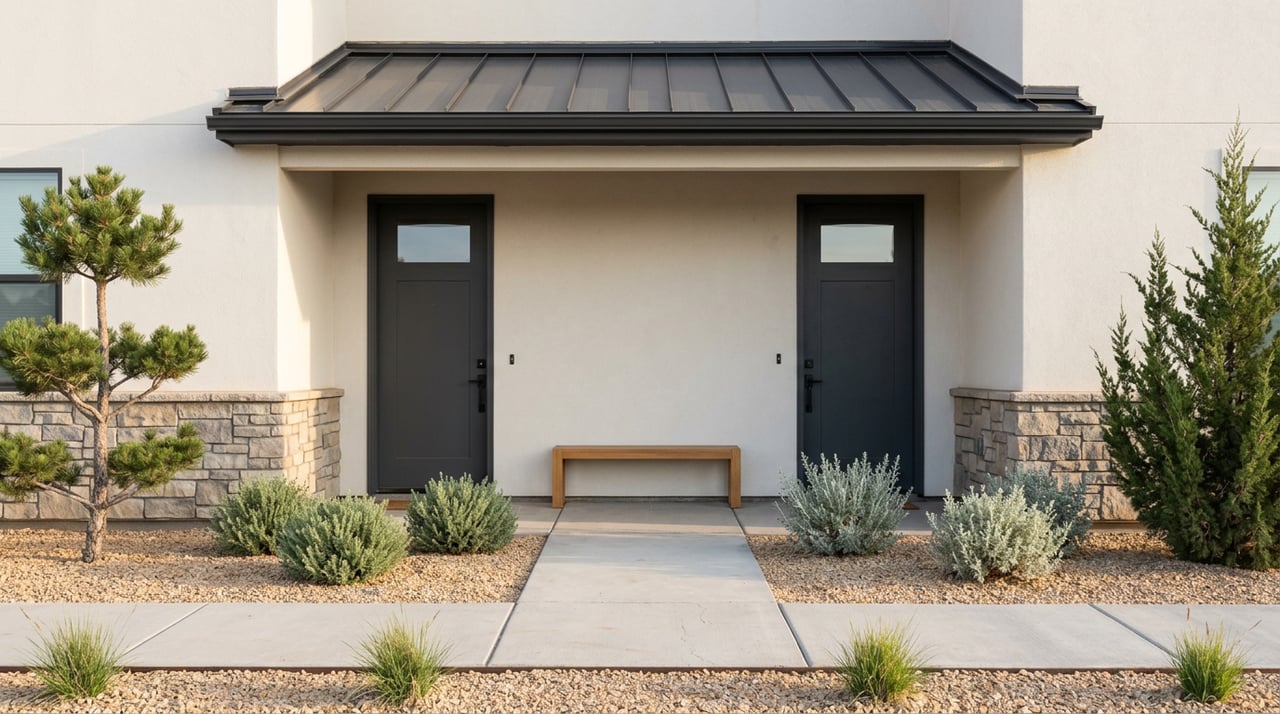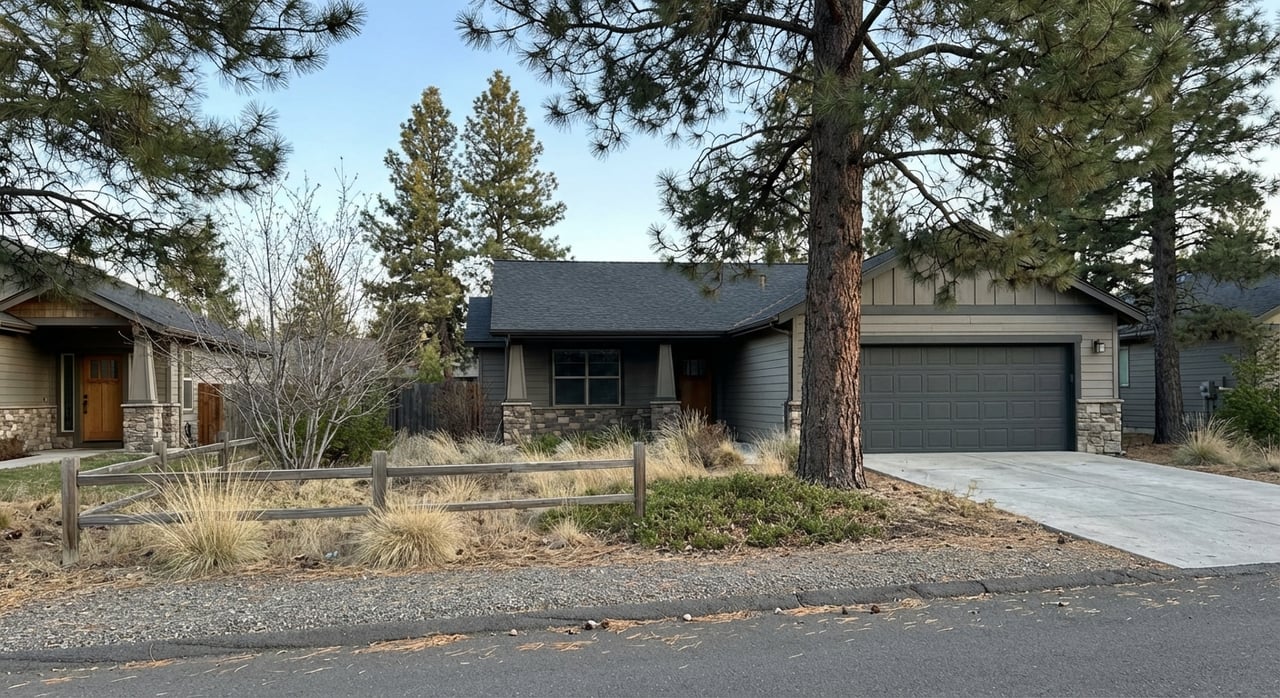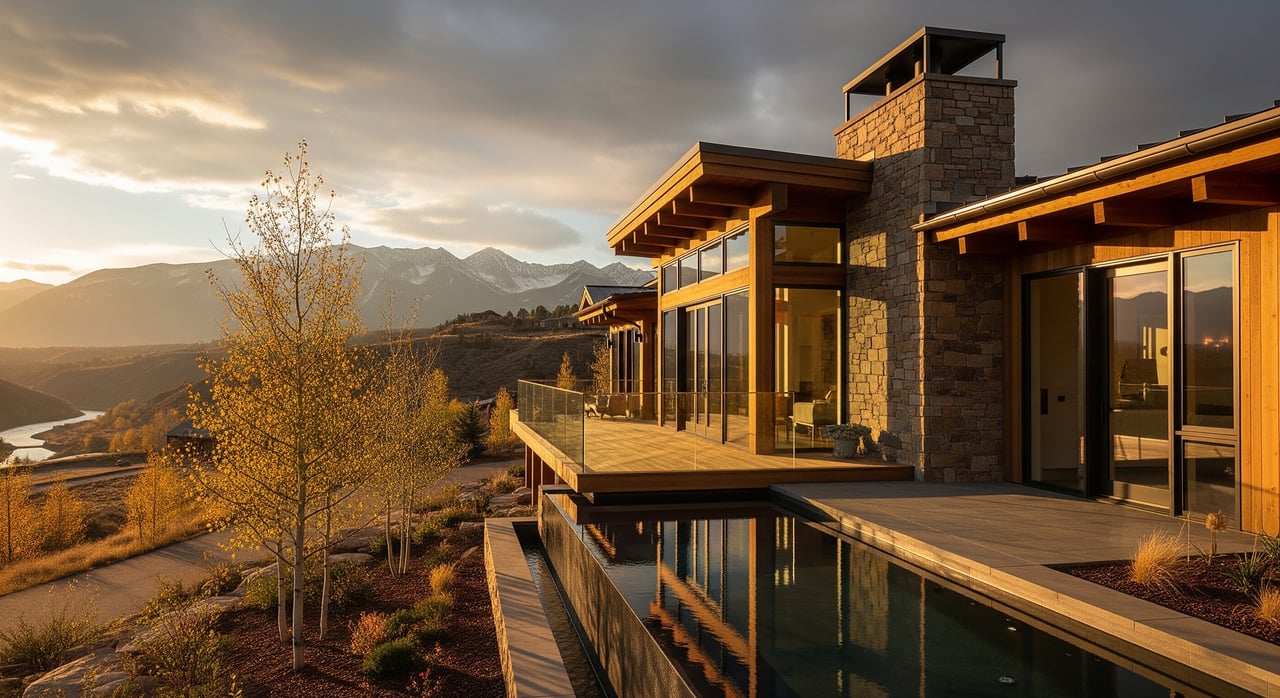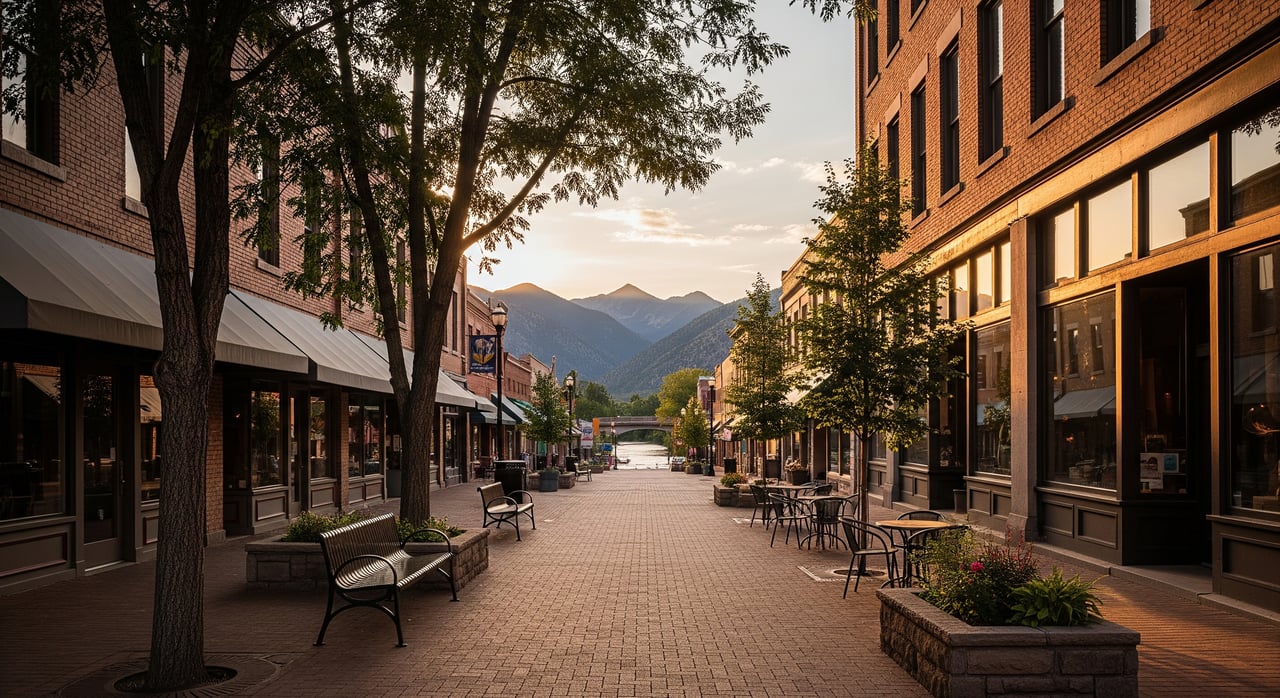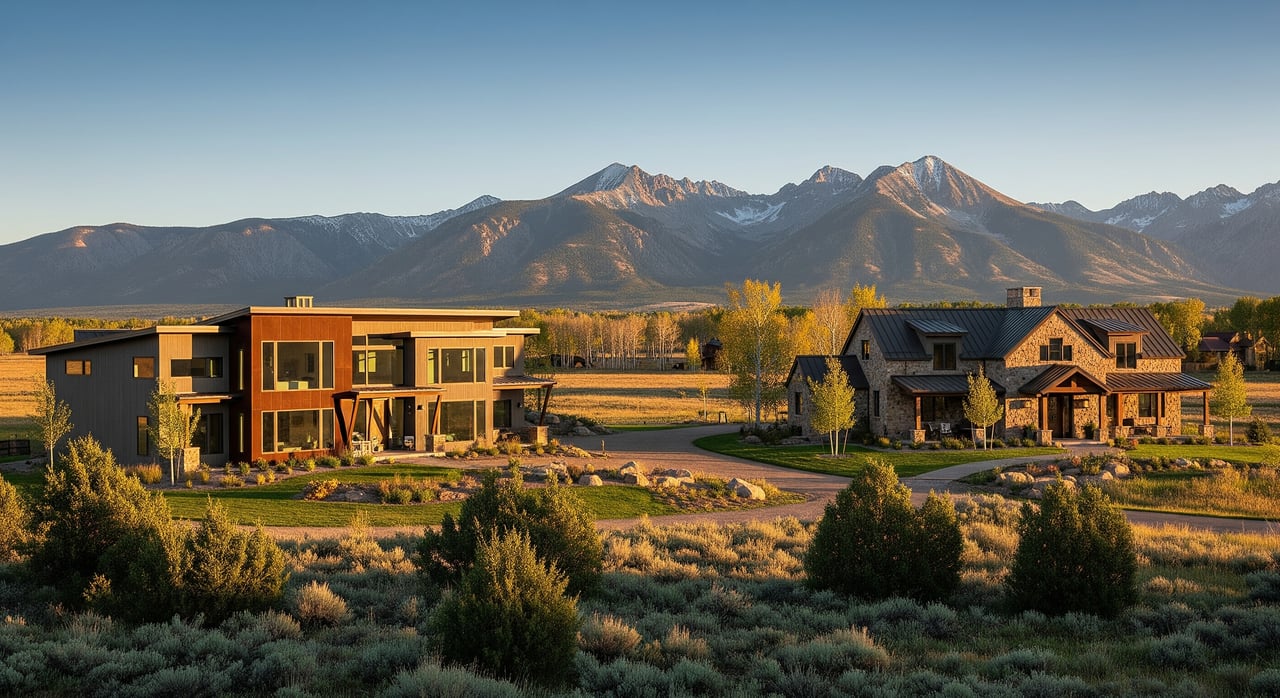
Torn between a brand‑new Bayfield build and a character‑rich resale? You are not alone. The Bayfield area offers both planned subdivisions near town and rural homes on acreage, and each path comes with different costs, timelines, and responsibilities. In this guide, you will learn how the two options compare in Bayfield, what to check before you commit, and a simple way to decide based on your priorities. Let’s dive in.
Bayfield options at a glance
Bayfield has a mix of newer subdivisions near town and rural properties throughout La Plata County. Subdivisions often include community infrastructure and may have homeowners associations. Rural homes may offer more space and privacy with wells and septic systems instead of municipal utilities.
If you commute to Durango or other regional hubs, location matters. Commute times vary with weather, road conditions, and the specific parcel, so factor that into your search. Focus on how each property’s setting and systems align with how you live day to day.
Cost comparison
New build costs
- Purchase price and appraisal
- Builders may price homes ahead of recent comparable sales. This can complicate appraisals when a subdivision is new. Plan for appraisal discussions with your lender and agent.
- Upfront fees and soft costs
- Ask what the base price includes. Landscaping, driveways, window coverings, fencing, and irrigation are often upgrades. Confirm utility tap fees and any impact fees if inside town limits.
- Ongoing costs
- Newer systems and insulation can reduce early maintenance and energy costs, while exterior finishes and landscaping may still be needed.
- Potential incentives
- Builders sometimes offer upgrade credits or preferred lender incentives. Review terms closely and compare against market financing.
Resale costs
- Purchase price and negotiation
- Resales are usually priced against local comps. If inspection reveals deferred maintenance, there may be room to negotiate repairs or credits.
- Immediate repairs
- Budget for roof, HVAC, plumbing, electrical, or exterior repairs. Verify permit history for past work that might need correction.
- Rural systems
- For properties on wells and septic, plan for inspections, potential service, and possible upgrades to meet current standards.
Financing differences
- New construction financing
- Construction or construction‑to‑permanent loans draw funds over stages. Rates are often variable during construction, and lenders may require builder qualifications, detailed budgets, and more complex appraisals. The Consumer Financial Protection Bureau offers guidance on how construction loans work and how they differ from standard mortgages.
- Resale financing
- Conventional, FHA, or VA loans follow typical timelines. If you plan renovations, consider options like renovation mortgages. Work with a lender who understands Southwest Colorado.
Pro tip: Get a pre‑approval aligned to your path. If you are considering both build and resale, ask your lender to map both scenarios so you can compare total cash needs and monthly payments.
Timeline and process
New construction timeline
- Typical range
- Expect 4 to 12 months or more depending on whether you choose a spec home or a build‑to‑order, permit timing, weather, materials, and builder schedule.
- Seasonal impacts
- Southwest Colorado weather can affect foundation work, exterior finishes, and access. Confirm how your builder sequences work through winter conditions.
Resale timeline
- Typical range
- Many resale transactions close in 30 to 60 days, subject to financing, inspections, and repairs.
- Factors that add time
- Septic and well testing, appraisal conditions, or repairs can extend the schedule. Build in a small buffer if you have a hard move date.
Permits and inspections
New build inspections
- Permits and approvals
- Inside Bayfield town limits or in unincorporated La Plata County, building permits and staged inspections apply. Final occupancy sign‑off is required before move‑in. Confirm that your builder secures permits and provides copies.
- Independent inspections
- Consider third‑party inspections at key stages: pre‑pour foundation, pre‑drywall, and final. The American Society of Home Inspectors publishes standards for what inspectors evaluate.
Resale inspections
- Core inspection
- A full home inspection should cover structure, roof, electrical, plumbing, and HVAC.
- Targeted tests
- Radon testing is recommended in Colorado. The U.S. EPA and Colorado Department of Public Health and Environment offer guidance. For rural properties, include septic inspections and dye tests, well flow and water quality testing, and sewer scopes where applicable. Consider chimney and wood‑destroying organism inspections when appropriate.
- Permit history
- Verify that past additions or major system changes were permitted and finalized. Unpermitted work can create issues for lenders and insurers.
Warranties and risk
New build warranties
- Typical structure
- Many builders offer a one‑year workmanship warranty, two‑year coverage for certain systems, and a 10‑year structural warranty, sometimes through a third‑party provider. Always confirm coverage and claim procedures in writing.
- Documentation and claims
- Keep a dated list of punch‑list items and warranty claims. Understand timelines for reporting issues and how dispute resolution works. The Colorado Division of Real Estate can be a resource on consumer protections.
Resale protections
- No builder warranty
- Unless a recent builder warranty transfers, most protection comes from your inspection contingency and negotiated repairs or credits. You can consider a home warranty plan, but review exclusions and coverage limits.
- Contingency funds
- Even with a good inspection, plan a repair reserve of 1 to 3 percent of the price for near‑term maintenance.
Utilities and rural checks
Water and septic
- Wells and water rights
- Confirm well permit status, production, pump age, and water quality. In Colorado, water rights can be separate from land ownership. The Colorado Division of Water Resources and county records are key references.
- Septic systems
- Document the age, type, drainfield condition, and pump‑out history. Repairs or replacements can be significant, so inspect early.
Access and roads
- Road type and maintenance
- Identify if access is via county‑maintained roads or private roads. For private drives, confirm maintenance agreements and snow removal responsibilities.
Internet and power
- Service confirmation
- Rural areas can have limited broadband and different power or heating fuels. Verify providers, speeds, and whether natural gas, propane, or electric heating serves the property.
Wildfire and flood
- Risk awareness
- Parts of Southwest Colorado have elevated wildfire risk. Check resources from the Colorado State Forest Service and local fire authorities for risk maps and mitigation. Review defensible space, roofing materials, and emergency access. For flooding, confirm FEMA flood map status and insurance needs.
HOAs and covenants
- Subdivisions
- Expect covenants, conditions, and restrictions, plus an HOA budget. Review dues, reserves, and any pending or potential special assessments. Study architectural review rules, rental policies, animal limits, and vehicle or equipment storage guidelines.
- Rural properties
- Many do not have HOAs but may have road associations or recorded easements. Confirm who maintains shared roads and gates, and how costs are split.
Lifestyle and location fit
- Subdivision living
- You may get sidewalks, consistent design, and proximity to town services. Yards are typically smaller, and exterior changes often require approvals.
- Rural living
- You may gain privacy, room for outbuildings, and space for hobbies, balanced against more hands‑on maintenance, snow removal, and variable connectivity.
- Commute and services
- If you work or access services in Durango or Bayfield, weigh daily travel, winter road conditions, and service access. Families should confirm school district boundaries and bus routes directly with the district.
Decision framework
Step 1: Set priorities
- Timeline
- Need to move soon, resale tends to be faster. Comfortable waiting, new build allows more customization.
- Budget
- Include soft costs, landscaping, and a repair reserve.
- Maintenance
- Prefer low maintenance, lean new. Comfortable renovating, resale can fit.
- Lifestyle
- Value amenities and design consistency, subdivision fits. Prefer privacy and flexibility, rural fits.
- Long‑term value
- Review HOA health, neighborhood trajectory, and infrastructure plans.
Step 2: Screen options
- Ask your agent to present both subdivision lots or spec homes and resale options that align with your criteria.
- Verify financing paths early, including builder and lender requirements for construction loans.
Step 3: Due diligence checklists
- New build checklist
- Confirm inclusions in the base price, such as appliances, landscaping, driveway, and window coverings.
- Obtain the builder contract with clear timelines and warranty details.
- Schedule independent inspections at pre‑pour, pre‑drywall, and final.
- Verify permits and inspection records and request the final occupancy sign‑off.
- Review HOA documents, covenants, estimated dues, and any development infrastructure obligations.
- Resale checklist
- Complete a full home inspection plus targeted tests for radon, septic, well, sewer lines, and chimney as applicable.
- Verify permit history for additions or system changes and confirm final sign‑offs.
- Request recent utility bills and a survey or boundary confirmation, especially for acreage.
- Review title for easements, road agreements, and any recorded water rights.
Step 4: Make the trade‑off
- Score each finalist on timeline, total cost, customization, maintenance, location, and resale outlook.
- Confirm the emotional fit, whether that is neighborhood life or rural quiet.
Questions to ask
Ask a builder
- What is included in the base price, and what are common add‑ons?
- Who handles permits, inspections, and off‑site infrastructure?
- What warranties are provided, who administers claims, and what are the timelines?
- Can you share a detailed construction schedule and the subcontractor list?
Ask on a resale
- What major repairs or renovations were done, and were permits obtained?
- Can we review utility bills and maintenance records?
- How old are the roof, HVAC, water heater, septic, and well equipment?
- Are there any disputes, liens, or CC&R issues tied to the property?
Red flags to avoid
- New builds
- History of litigation, no third‑party structural warranty, or vague completion terms.
- Resales
- Unpermitted work, poor well yield or failing septic, seasonal water issues, or significant structural concerns.
Appraisals and contingencies
New subdivisions can have limited comparable sales, which can increase appraisal risk. Discuss appraisal contingency language with your agent and lender. For resales, be ready to negotiate repairs or credits if inspections reveal issues. In both cases, keep documentation organized for a smoother close.
Permitting contacts to know
For properties inside town limits, the Town of Bayfield manages municipal hookup policies and local inspections. In unincorporated areas, La Plata County Planning and Building oversees permits, septic, and inspection schedules. The Colorado Division of Water Resources maintains well and water rights records. These offices are essential points of reference during due diligence.
Make your choice with local help
Whether you lean toward a new build near town or a quiet rural resale, the right plan protects your budget and your time. If you want a side‑by‑side comparison of current subdivision options, rural listings, and the financing paths that fit, connect with a local advisor who handles both every day. Schedule a consultation with Holly Matson to map your best path forward in Bayfield.
FAQs
Which option closes faster in Bayfield?
- Resale purchases typically close in 30 to 60 days, while new construction often takes several months depending on whether it is a spec home or a build‑to‑order.
How do new build appraisals work in new subdivisions?
- Builders may price ahead of completed comps, which can complicate appraisals; work with your lender and agent on appraisal contingency and valuation strategy.
What inspections are essential for rural Bayfield homes?
- In addition to a full home inspection, test well flow and water quality, inspect septic systems, consider radon testing, and verify access and road maintenance agreements.
Are new homes always more energy‑efficient?
- New homes generally meet current code and may include more efficient systems and insulation, but you should verify specific efficiency features and ratings in writing.
What should I review in HOA documents?
- Focus on dues, reserves, assessment history, rental policies, architectural controls, and rules for animals and vehicle or equipment storage to confirm lifestyle fit.
How do construction loans differ from standard mortgages?
- Construction and construction‑to‑permanent loans fund in stages, often with variable rates during the build and more documentation; consult the Consumer Financial Protection Bureau for guidance.