Looking to start real estate investing without big‑city prices? Cortez in Southwest Colorado gives you a practical entry point with approachable home values, steady regional travel, and a small‑town pace. If you want to learn the basics, compare long‑term rentals to short‑term options, and see simple math on returns, you’re in the right place. You’ll also get an overview of Colorado landlord rules and where to check permits and taxes so you invest with confidence. Let’s dive in.
Why Cortez appeals to value buyers
Cortez sits in Montezuma County, a rural corner of Southwest Colorado, where household incomes and housing costs generally run lower than state averages. County QuickFacts offer helpful context on population and incomes if you are benchmarking affordability across markets. You can review those figures on the U.S. Census Bureau’s QuickFacts for Montezuma County for a high‑level snapshot of the area’s demographics and income trends. Visit the Census Bureau’s page for Montezuma County QuickFacts.
Multiple market trackers place typical Cortez single‑family values in the low‑to‑mid hundreds of thousands, well below nearby resort towns. Rents are also modest by Colorado standards, which keeps gross yields conservative. That means smart buying, solid due diligence, and thoughtful management matter.
Tourism supports demand in and around Cortez. Mesa Verde National Park draws visitors for cliff dwellings, guided tours, and year‑round park experiences, with peak visitation in spring through fall. That seasonality can support short‑term rental revenue and also help sustain service jobs that underpin long‑term rental demand. Learn more about the park’s programs on the official Mesa Verde National Park site.
What to buy in Cortez
Single‑family rentals
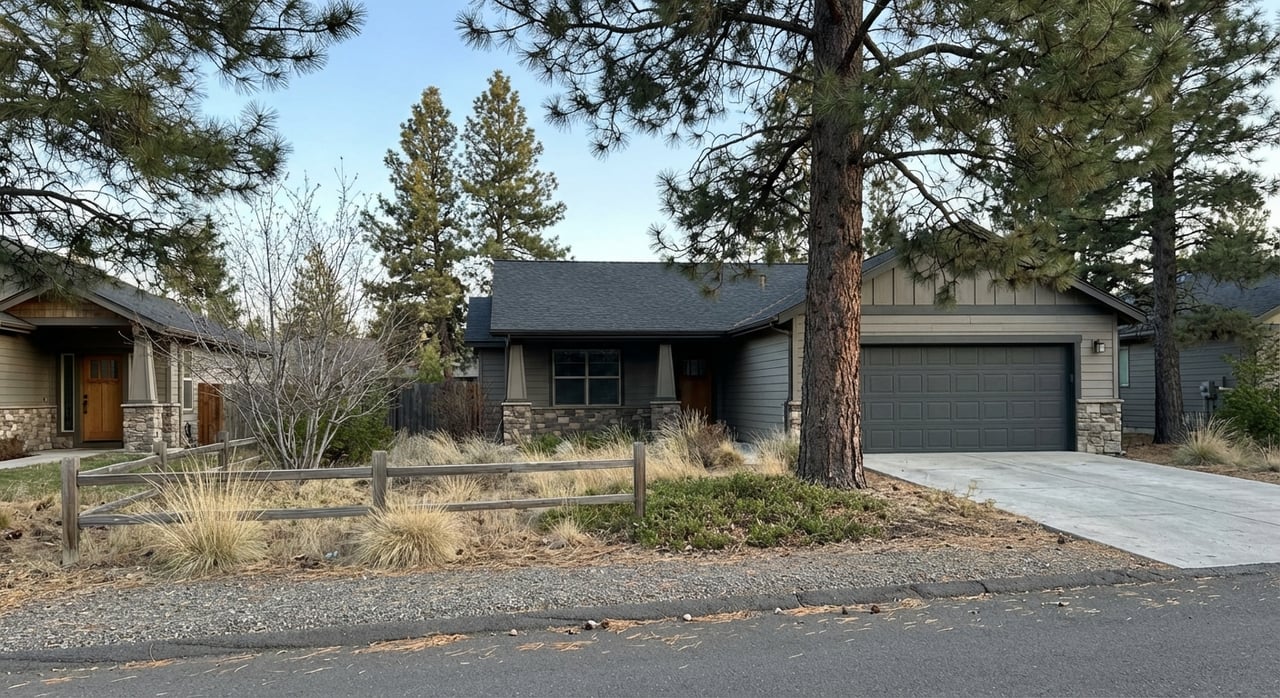
Single‑family homes are a straightforward first step for many investors. Financing is familiar, and management is simpler than multifamily. In Cortez, entry price points can be approachable, but many homes are older. Budget for inspections and potential rehab so your numbers reflect real costs.
Small multifamily (2–4 units)
Duplexes and fourplexes can improve cash flow through lower per‑unit costs and one‑roof efficiency. In smaller towns, these properties trade less often, so patience helps. Underwrite vacancy conservatively and confirm recent local comps with a property manager.
Mixed‑use downtown
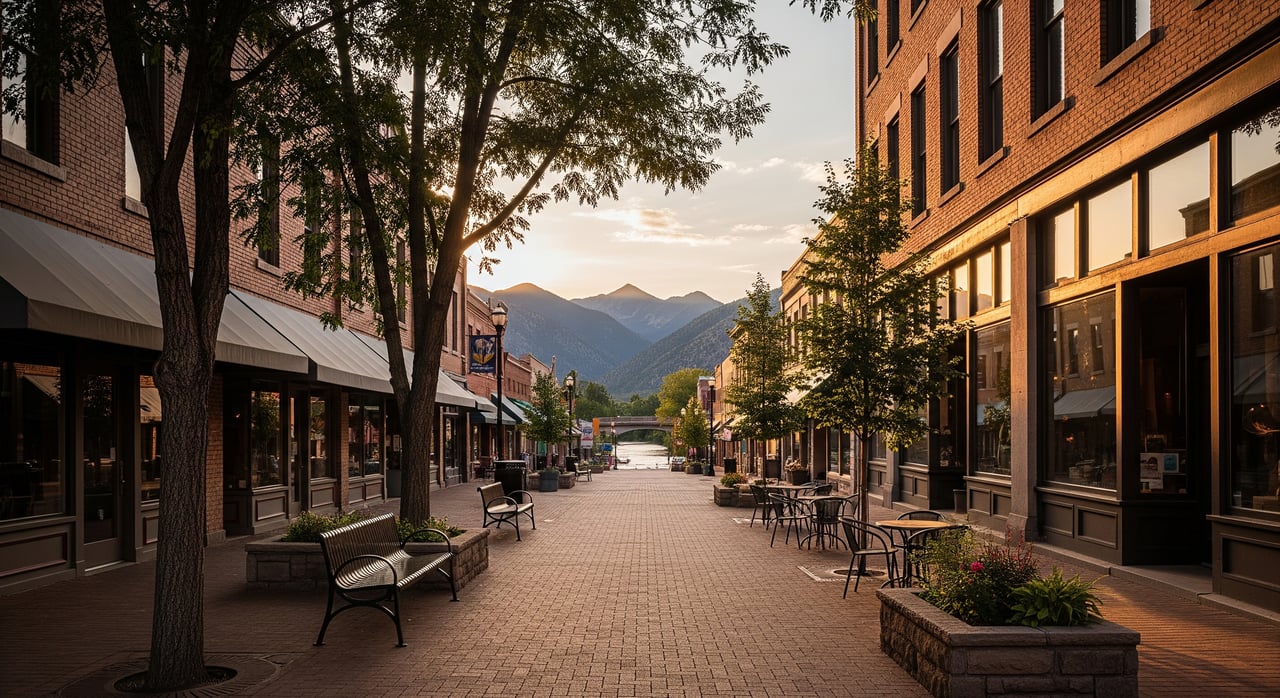
Main Street and nearby corridors sometimes include buildings with ground‑floor commercial and apartments upstairs. Mixed income from a business tenant plus residential units can diversify revenue. Before you buy, verify zoning, egress, and building‑safety requirements in the City of Cortez code library. Start with the city’s Codes and Ordinances page and the Cortez Code of Ordinances.
Short‑term rentals
Short‑term rentals can outperform long‑term rents during the tourism season. Plan for higher operating costs, frequent turnover, furnishings, utilities, and potentially higher management fees. You also need to collect and remit sales and lodging taxes on stays under 30 days and may need local business licensing or registration. Always call the City Clerk and the Montezuma County Treasurer to confirm current rules and rates. The county’s contact page is here: Montezuma County Treasurer. For zoning and permitting questions, use the city’s Codes and Ordinances portal.
Example deal: simple math
Let’s ground expectations using recent snapshots from industry trackers:
- Typical Cortez single‑family value: about $333,000.
- Average listed rents: roughly $1,400 to $1,600 per month depending on unit type and condition.
Two quick gross‑yield scenarios using those round numbers:
- If rent is $1,600 per month, annual gross rent is $19,200. $19,200 divided by a $333,000 price equals about a 5.8 percent gross yield.
- If rent is $1,400 per month, annual gross rent is $16,800. $16,800 divided by a $333,000 price equals about a 5.0 percent gross yield.
Gross yield is a starting point only. It ignores operating expenses, vacancy, financing, and capital reserves. To stress test returns, try this simple framework:
- Start with annual rent (for example, $16,800 or $19,200).
- Subtract 20 to 40 percent for operating costs such as taxes, insurance, maintenance, management, and reserves.
- The remainder is a rough net operating income (NOI). Compare NOI to your total cash invested to estimate cash‑on‑cash under your expected loan terms.
In Cortez, many investors improve returns by buying well, planning value‑add updates that boost rent, or using favorable financing.
Regulations and landlord basics
Investing works best when you follow the rules. Colorado’s landlord‑tenant laws set clear requirements for deposits, habitability, notices, and evictions.
Security deposits and timing
Colorado statute governs security deposits, return timelines, and itemized statements for lawful deductions. As a baseline, landlords generally must return deposits or provide an itemized statement within one month unless a written lease allows up to 60 days. Willful wrongful withholding can lead to treble damages and attorney fees. Review the statute on Colorado security deposits (Title 38), and ask a local attorney to help draft your lease.
Eviction process
Colorado prescribes the legal process for eviction and forcible entry and detainer actions. Recent updates add procedural protections, so plan for a judicial timeline and avoid self‑help. You can read a current Title 38 overview on the Colorado Revised Statutes site and consult local counsel before taking action.
Local permits, taxes, and STR rules
The City of Cortez is your primary contact for zoning, building, and rental questions. Always verify what is permitted at your property and whether a business license or registration is required. Start here: City of Cortez Codes and Ordinances. For property tax payments and county lodging tax administration, check the Montezuma County Treasurer. For short‑term rentals, confirm current lodging tax rates, what stays are taxable, and who remits. When in doubt, call the City Clerk and the County Treasurer to get written guidance.
Vacancy and seasonality
Public rental snapshots often show limited active listings in Cortez, which may indicate thin supply. That does not always equal tight vacancy, so confirm with local managers and recent MLS comps. Tourist season tends to peak spring through fall thanks to Mesa Verde and regional recreation, while long‑term demand aligns with local employment and affordability. You can use the Mesa Verde calendar to understand how visitation ebbs and flows across the year.
Financing your first deal
Most first‑time investors start with one of these routes:
- Conventional investment mortgage from a bank or credit union.
- Portfolio or private loans if you need flexible underwriting.
- Owner‑occupied options such as FHA for a primary residence or USDA Rural Development for eligible locations if you plan to live there. These are not for investment‑only purchases.
Talk to at least two lenders. Ask about down payments, points, reserves, rate locks, and closing timelines. Local banks and credit unions can be a good fit because they know area rents and repair costs.
Working with a property manager
A good manager can make the numbers more predictable. For long‑term rentals, standard services include tenant screening, leasing, rent collection, maintenance coordination, inspections, accounting, and compliance. For short‑term rentals, managers also handle guest communications, dynamic pricing, cleaning schedules, and tax remittance.
Fee ranges vary by market and service level. Long‑term management commonly runs around 8 to 12 percent of collected rent. Full‑service short‑term management often ranges from 15 to 35 percent of booking revenue, while lighter “listing only” support may be closer to 10 percent. For a helpful industry overview of STR fee structures, see this guide to Airbnb management fees. Always request a full menu of services and all pass‑through fees before you sign.
Interview at least two local managers. Ask for:
- Sample profit and loss statements for comparable units.
- Current vacancy and average days‑to‑lease or occupancy rates.
- A sample monthly owner statement.
- References from local owners.
Due diligence checklist
Use this quick list to keep your underwriting disciplined:
- Confirm zoning and permitted uses with the City of Cortez Planning Department via the Codes and Ordinances portal.
- Confirm lodging taxes, business‑license needs, and remittance steps with the Montezuma County Treasurer and the City Clerk.
- Pull 12 to 24 months of local rental comps and verify with a property manager. Expect variation by property condition and location.
- Order a home inspection and get bids for any deferred maintenance. Set aside a 10 to 20 percent acquisition reserve on older homes.
- Run conservative scenarios: gross yield, then NOI after 20 to 40 percent expenses, then cash‑on‑cash with your loan terms.
- Verify insurance coverage for your chosen use, including specialty STR coverage if you plan nightly rentals.
- Read Colorado security‑deposit and eviction statutes, and consult a local attorney before finalizing lease language. Start with Title 38 security deposits and the CRS Title 38 overview.
Next steps
- Visit Cortez and Mesa Verde to experience seasonality and guest flow firsthand.
- Meet two lenders and two property managers to gather real quotes on rates, fees, and vacancy.
- Underwrite a sample deal using conservative rents and a 20 to 40 percent expense load. Adjust for maintenance, management, insurance, taxes, and reserves.
- Call the City Clerk and County Treasurer to verify any licensing, permits, and lodging tax rules for your plan.
- Talk to a CPA about entity structure and deductions, and consult a local attorney about leases and notices.
If you want a local guide who knows the neighborhoods, inventory, and permitting landscape, reach out. As a Durango‑based broker serving Montezuma County, I can help you source deals, run the numbers, and connect you with reputable lenders, managers, and contractors. Ready to explore Cortez investment options? Schedule a consultation with Holly Matson.
FAQs
What price range should a first‑time investor expect in Cortez?
- Multiple trackers place typical single‑family values in the low‑to‑mid hundreds of thousands, but prices vary by condition, size, and location; verify current comps before you offer.
Is Cortez good for short‑term rentals near Mesa Verde?
- Tourism helps, especially spring through fall, but success depends on permits, lodging taxes, seasonality, and strong management; confirm rules with the City Clerk and County Treasurer.
What cash flow should I expect on a Cortez rental?
- Recent snapshots suggest gross yields around 5 to 6 percent on median‑priced homes, before expenses; run NOI with a 20 to 40 percent expense load to stress test your returns.
Do I need a license or registration for a Cortez rental?
- Requirements can include business licensing and lodging tax remittance for short stays; verify current rules with the City of Cortez and the Montezuma County Treasurer.
How long do I have to return a tenant’s security deposit in Colorado?
- Colorado law generally requires return within one month unless the lease allows up to 60 days, with itemized deductions; review Title 38 security‑deposit rules.
Who remits lodging taxes for short‑term rentals in Cortez?
- Owners are responsible for collecting and remitting taxes on short stays unless a platform or manager handles it; confirm exact rates and remittance steps with the City Clerk and County Treasurer.